

Best Picture Books to Help Toddlers Explore Colors (Ages 1–3)
Learning colors is one of those milestones that feels bigger than it actually needs to be.
For toddlers, recognizing colors isn’t a test to pass or a box to check — it’s a slow, playful process that unfolds through everyday moments, repetition, and curiosity.
If your toddler calls the sky green, the banana blue, or confidently names everything red for a week straight, you’re not behind. You’re right on track.
Color recognition develops gradually, and confusion is a normal, healthy part of how young children explore the world.
Picture books are one of the gentlest, most joyful ways to introduce colors.
They offer clear visuals, predictable patterns, and a shared experience between child and caregiver — without pressure or expectation.
A good color book doesn’t demand answers; it simply invites attention.
For toddlers ages 1–3, the goal isn’t mastery. It’s exposure. Seeing colors again and again. Hearing their names in context.
Connecting color words to familiar objects, emotions, and routines.
The best color books meet toddlers exactly where they are: curious, sensory-driven, and learning through connection.
Below are some of the most beloved, toddler-friendly picture books that make learning colors feel natural, comforting, and fun.
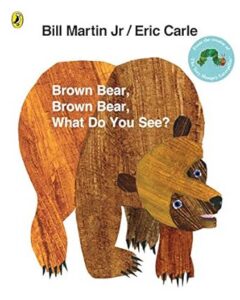
Brown Bear, Brown Bear, What Do You See? — Bill Martin Jr. & Eric Carle
Core Themes:
• Repetition and predictability
• Color-word association
• Rhythm and memory
Story Snapshot:
A simple, rhythmic question-and-answer story that introduces animals and colors in a predictable pattern toddlers love to anticipate and repeat.
How this book supports toddlers learning colors:
The consistent structure makes color words easy to absorb without effort. Toddlers begin to associate each color with a specific animal, reinforcing recognition through repetition and familiarity rather than testing.
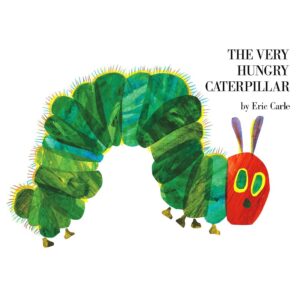
The Very Hungry Caterpillar — Eric Carle
Core Themes:
• Colorful foods
• Visual contrast
• Sequencing through story
Story Snapshot:
A beloved classic that follows a caterpillar through vibrant foods and days of the week before becoming a butterfly.
How this book supports toddlers learning colors:
The bold, collage-style illustrations highlight colors clearly, while repeated exposure to familiar foods helps toddlers connect color words to real-world objects they already recognize.
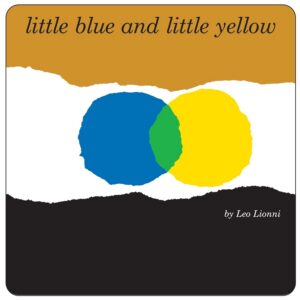
Little Blue and Little Yellow — Leo Lionni
Core Themes:
• Color mixing
• Emotion and friendship
• Visual simplicity
Story Snapshot:
Two colored shapes explore friendship and transformation, discovering what happens when colors come together.
How this book supports toddlers learning colors:
This story gently introduces color blending while keeping visuals simple and emotionally safe. It reassures toddlers that change and confusion are part of learning — especially when colors mix.
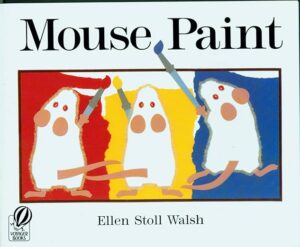
Mouse Paint — Ellen Stoll Walsh
Core Themes:
• Cause and effect
• Primary colors
• Hands-on exploration
Story Snapshot:
Three mice play with paint and discover how colors change when mixed together.
How this book supports toddlers learning colors:
The story mirrors how toddlers learn — through play and experimentation. It encourages curiosity without needing correct answers, making color exploration feel safe and fun.
Planting a Rainbow — Lois Ehlert
Core Themes:
• Nature and color
• Visual categorization
• Seasonal rhythm
Story Snapshot:
A bright, garden-centered book that introduces flowers and colors through simple, labeled illustrations.
How this book supports toddlers learning colors:
Clear images and uncluttered pages help toddlers focus on one color at a time. The garden theme connects colors to the natural world, making learning feel grounded and familiar.
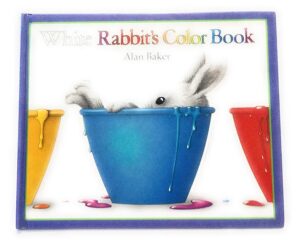
White Rabbit’s Color Book — Alan Baker
Core Themes:
• Transformation
• Color naming
• Predictable patterns
Story Snapshot:
A curious white rabbit hops through jars of paint, changing colors along the way.
How this book supports toddlers learning colors:
The repetition of dipping and changing reinforces color names naturally. Toddlers enjoy anticipating what color comes next without being asked to label it themselves.

Freight Train — Donald Crews
Core Themes:
• Movement and color
• Visual clarity
• Rhythm through motion
Story Snapshot:
A train passes through a day, with each car presented in a different bold color.
How this book supports toddlers learning colors:
The strong contrast and simple illustrations make color recognition easy. Pairing colors with movement helps active toddlers stay engaged while absorbing color vocabulary.
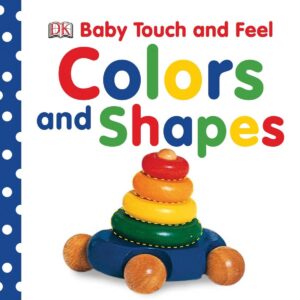
Baby, See the Colors! — Dawn Sirett
Core Themes:
• High contrast visuals
• Sensory engagement
• Early exposure
Story Snapshot:
A board book designed with bright images and textures to introduce colors through sight and touch.
How this book supports toddlers learning colors:
The high-contrast visuals help very young toddlers focus, while tactile elements support sensory exploration alongside early color awareness.
When it comes to learning colors, toddlers don’t need drills or correction. They need repetition, warmth, and the freedom to be wrong while they’re figuring things out.
Reading the same book again and again isn’t a setback — it’s how confidence grows. Familiar stories create a sense of safety, allowing toddlers to notice new details, including colors, at their own pace.
As children grow, their relationship with books naturally evolves — from naming colors to telling stories of their own. Platforms like Scrively exist to support that long arc of creativity and self-expression, offering space for kids to grow into storytelling when they’re ready.
For now, the best thing you can do is keep reading together, follow your child’s curiosity, and let learning unfold through joy.