
Best Books to Help Kids Understand Death and Loss
There are few moments more delicate than helping a child navigate the confusing territory of death and loss.
Kids feel the absence deeply, but they don’t yet have the language or frameworks we adults lean on.
Their questions can be both simple and enormous: “Where did they go?” “Will this happen to me?” “Why can’t things go back to how they were?”
It’s tender terrain — one that asks grown-ups to hold space for grief, confusion, and sometimes even silence.
Stories step in where our words sometimes falter. Books create a soft, safe container that lets children feel without becoming overwhelmed.
Through characters, metaphors, and gentle pacing, kids can explore the idea of death at a distance that feels manageable. A good book becomes a companion — steady, patient, never rushed — one that whispers, “You’re not alone in this.”
Children often process big emotions sideways. They circle the edges of grief, touching it briefly before hopping back into play or distraction. Books honor that rhythm.
When a child sees their own feelings reflected on the page, it normalizes the swirl inside them: the confusion, the sadness, the anger, the longing.
And because stories unfold slowly, they create enough emotional space for kids to explore what’s happening in their inner world without pressure.
Developmentally, most children understand death in layers. Young kids may interpret it as temporary or reversible.
Older kids begin to grasp permanence but struggle with fear or existential questions. Stories help bridge these gaps.
They introduce metaphors kids can hold onto — seasons changing, stars shining, memories blooming — and they give grown-ups language to anchor conversations in gentle truth.
Most importantly, books remind children that love doesn’t vanish. Even when someone is no longer physically present, connection remains.
Through stories, kids discover that remembering is its own form of continuing — and that grief is not a problem to fix, but a tender place to grow courage, compassion, and understanding.
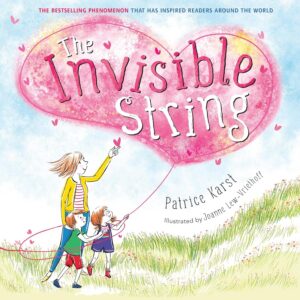
The Invisible String — Patrice Karst
Core Themes:
- Connection that lasts beyond separation
- Emotional safety
- Reassurance during grief or anxiety
Story Snapshot:
This classic picture book introduces children to the idea of an “invisible string” that connects us to the people we love — no matter where they are. It offers simple, soothing language that helps children understand that love continues even after loss.
How to use this book with your child:
Ask your child who their invisible strings connect to. Let them name people, pets, or memories. Then draw the strings together or imagine what they look like — glowing, golden, stretchy, unbreakable.
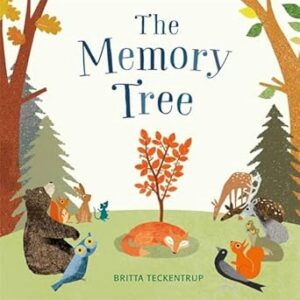
The Memory Tree — Britta Teckentrup
Core Themes:
- Legacy and remembrance
- Community support
- Celebrating a loved one’s life
Story Snapshot:
When Fox dies, his forest friends gather to remember him. Each memory they share grows a tree — strong, beautiful, and full of life. It’s a gentle, metaphor-rich story showing how memories keep someone with us long after they’re gone.
How to use this book with your child:
After reading, invite your child to draw or write a “memory leaf” about the person or pet they miss. Create a memory tree together that can grow over time.

Ida, Always — Caron Levis & Charles Santoso
Core Themes:
- Anticipatory grief
- Honesty and emotional presence
- Continuing bonds
Story Snapshot:
Inspired by two real Central Park Zoo polar bears, this story follows Gus as he learns that his best friend Ida is going to die. It navigates illness, goodbyes, and love that stays — even after the final moment.
How to use this book with your child:
Use it to open conversations about illness or expected loss. Pause on illustrations and let your child observe the emotions shown in the characters’ bodies and expressions.
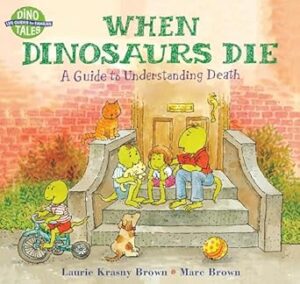
When Dinosaurs Die — Laurie Krasny Brown & Marc Brown
Core Themes:
- Understanding what death means
- Teaching accurate information in a child-friendly way
- Normalizing grief and emotional reactions
Story Snapshot:
This nonfiction-style picture book breaks down what death is, why it happens, and how people feel when someone dies. It’s clear, direct, and compassionate — perfect for kids who ask many questions or crave concrete explanations.
How to use this book with your child:
Let your child flip through pages and ask questions at their own pace. Normalize every emotion that surfaces, including anger, confusion, or silence.

The Rabbit Listened — Cori Doerrfeld
Core Themes:
- Listening without fixing
- Emotional regulation
- Nonverbal comfort
Story Snapshot:
When Taylor experiences something heartbreaking, a parade of animals tries to offer solutions — but none help. Only the quiet, patient rabbit stays long enough for Taylor to express the full swirl of emotions. A beautiful metaphor for grief support.
How to use this book with your child:
Ask your child which animal they relate to most. Then explore what it feels like when someone simply sits with you instead of trying to fix your feelings.
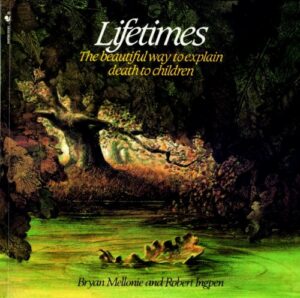
Lifetimes — Bryan Mellonie & Robert Ingpen
Core Themes:
- The natural cycle of life
- Understanding beginnings and endings
- Universality of death
Story Snapshot:
This classic explains that every living thing has a lifetime: a beginning, a middle, and an end. It’s simple, thoughtful, and deeply grounding — ideal for children who need a broader, nature-based framework for understanding death.
How to use this book with your child:
Pair the reading with a nature walk. Notice lifecycles in plants, seasons, or insects. It helps children understand that endings are woven into the fabric of life.
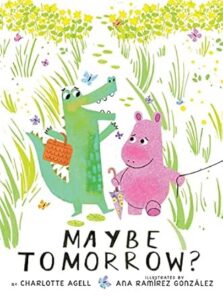
Maybe Tomorrow? — Charlotte Agell
Core Themes:
- Carrying grief
- Friendship and support
- Moving forward at your own pace
Story Snapshot:
Elba carries a heavy block everywhere she goes — a metaphor for grief. Norris, a cheerful friend, walks beside her slowly and patiently. This story validates how heavy loss feels and how healing happens through gentle companionship.
How to use this book with your child:
Talk about what Elba’s “block” represents. Ask your child what their block might look like and how it feels to carry it. Let them draw their own version.
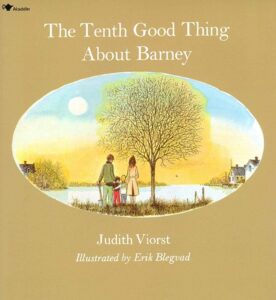
The Tenth Good Thing About Barney — Judith Viorst
Core Themes:
- Pet loss
- Honoring memories
- Honest conversations about death
Story Snapshot:
This tender classic follows a child grieving the death of a beloved pet cat. Through remembering and naming good things about Barney, the child slowly begins to process loss with honesty and love.
How to use this book with your child:
Create your own “Ten Good Things” list together — about a person, a pet, or a memory they want to hold close.
Helping Kids Heal Through Story
Grief may feel enormous, but stories help make it speakable.
Books give kids a way to name the tangle of emotions inside them — sadness, confusion, fear, anger, love — without pressure or shame.
They remind children that even in the midst of loss, they are held, heard, and seen.
And perhaps most importantly, stories show that love doesn’t end. It changes shape. It becomes memory, ritual, presence in absence.
When kids discover this truth gently, through metaphor and story, their hearts find room for both grief and hope.
If your child wants to draw, write, or create their own healing stories, Scrively is a lovely space for them to explore emotions and express themselves safely.
Sometimes the most meaningful steps toward healing begin with a pencil, a blank page, and a quiet moment of courage.