Best Books for Preschoolers With Short Attention Spans
Preschoolers are tiny bundles of curiosity wrapped in motion.
They wiggle.
They wander.
They ask seventeen questions in a row and then forget what the seventeenth one was.
Their brains are busy—buzzing, blooming, building connections at lightning speed. But sitting still for long stories? That can feel like an Olympic event.
That’s why the right book matters. The right book doesn’t beg for attention—it grabs it. It sparkles.
It surprises. It invites toddlers and preschoolers into a reading experience that matches their pace, their energy, and their delightfully short attention spans.
These are the books you can read while a child is standing on one leg, holding a stuffed giraffe, and repeatedly asking for a snack.
They’re built for movement, silliness, call-and-response fun, bold art, and bite-sized storytelling that keeps even the busiest little readers hooked.
Short, funny, rhythmic books help kids feel successful. They turn reading into a game, not a chore.
And when kids experience success—when they laugh, point, guess, or shout out the next line—they start to love reading. They build confidence. They develop attention skills one joyful moment at a time.
Plus, preschool attention spans look different day to day. Some mornings, kids can focus for eight whole minutes (a small miracle). Other days, you’re lucky to get thirty seconds.
These books flex for that real-life rhythm. They allow room for wiggling, chatting, skipping pages, circling back—whatever a child needs in the moment.
So here’s a curated list of books that entertain without overwhelming, engage without exhausting, and keep little minds focused—at least long enough to finish a page or two.
These books are fast, funny, interactive, and full of charm. Perfect for the preschooler who never, ever stops moving.
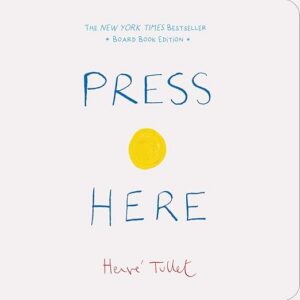
1. Press Here — Hervé Tullet
This brilliant interactive book transforms reading into a game.
Kids press dots, shake the book, blow on the pages, and watch the dots “react” on the next page. It’s like magic, but the kind that keeps short attention spans fully locked in.
The pacing is quick—just a few words per page—which makes it perfect for wandering little minds.
The visual “cause and effect” is so satisfying that kids often gasp, laugh, or try to outguess what will happen next. Every page feels like a tiny surprise.
Why kids love it: Cause-and-effect fun that feels like playing.
Best for: Ages 3–5; active read-alouds and movement-friendly storytime.
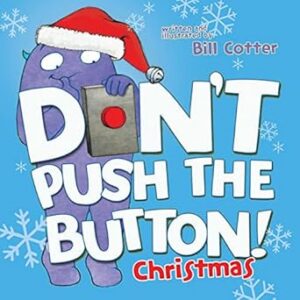
2. Don’t Push the Button! — Bill Cotter
Meet Larry, a monster who begs kids not to push the button—even though that’s clearly the most irresistible thing on the page.
Kids become part of the story, making silly things happen with every “forbidden” push.
This book is a preschool attention-span dream because it gives kids a job.
They get to tap, poke, shake, and giggle their way through the pages. No sitting still required.
The humor lands instantly, and Larry’s goofy expressions pull kids right back in if they start drifting.
Why kids love it: Humor + mischief = unstoppable attention.
Best for: Ages 3–5; giggly bedtime read-alouds.
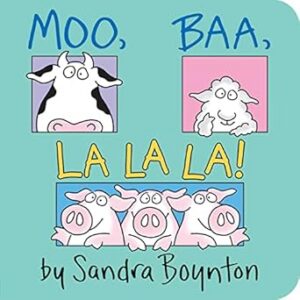
3. Moo, Baa, La La La! — Sandra Boynton
Short, silly, and rhythmic—this Boynton classic is perfect for little listeners who love animal sounds more than plot. With fast page turns and goofy lines, it’s tailor-made for short attention spans.
The rhythm works like a charm: kids hear a pattern, anticipate the next sound, and jump in with enthusiasm.
There’s no pressure to “follow the story”—just pure auditory joy. It’s also one of those books that parents can read in a dozen different voices, which keeps kids coming back for more.
Why kids love it: They get to shout animal sounds and giggle nonstop.
Best for: Ages 2–4; quick “one more book!” moments.
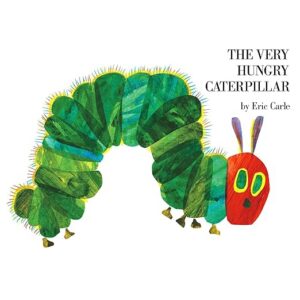
4. The Very Hungry Caterpillar — Eric Carle
Bright colors, simple patterns, and tiny bite-sized text make this a preschool-perfect classic. Kids love poking fingers into the little holes as the caterpillar munches through the pages.
This book also provides a sneaky little rhythm: the caterpillar eats more, grows more, and transforms in a way even the squirreliest kids can follow.
The repetition of days and foods creates a predictable anchor, which helps kids stay connected to the story even when their bodies are wiggling.
Why kids love it: Predictable rhythm + tactile interaction.
Best for: Ages 2–5; great for early story sequencing.
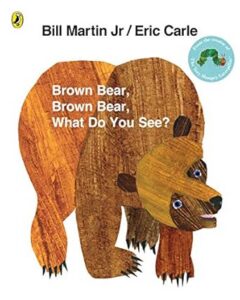
5. Brown Bear, Brown Bear, What Do You See? — Bill Martin Jr. & Eric Carle
Repetition is the secret ingredient for focus, and this book delivers. With a rhythmic pattern and bold illustrations, kids settle into a predictable, comforting flow that keeps their attention longer.
The book’s structure gives preschoolers a sense of mastery—they can guess what’s next, join in, or even “read” the pages themselves through memorized lines. That confidence boost is huge for little ones who are still building language skills and attention stamina.
Why kids love it: They can “read” along by memory—even before they’re readers.
Best for: Ages 2–5; perfect for building confidence and participation.
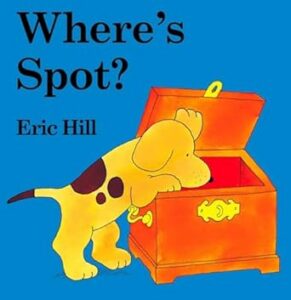
6. Where’s Spot? — Eric Hill
This lift-the-flap adventure invites kids to search for Spot in silly hiding places. The interactive element gives busy hands something to do while their brains stay engaged with the story.
The flaps are the star—they create tiny bursts of anticipation.
Even kids who don’t usually sit still will pause to peek under each one. And the element of choice (“Where should we look next?”) helps kids feel in control, which naturally extends their attention span.
Why kids love it: Flaps. Flaps. More flaps.
Best for: Ages 2–4; interactive play + reading.
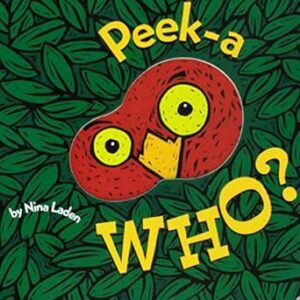
7. Peek-a-Who? — Nina Laden
A super-short, rhyming board book with peek-through windows that keep little ones guessing. It moves fast—exactly the pace of most preschool attention spans.
The peek-through cutouts encourage kids to predict words, identify pictures, and lean in close (which magically increases attention).
And because the book is tiny and quick, kids often ask for multiple re-reads—giving you bonus reading time without the pressure of a long story.
Why kids love it: The final “Peek-a-YOU!” always gets a huge smile.
Best for: Ages 1–4; great for toddlers transitioning into preschooler reading time.
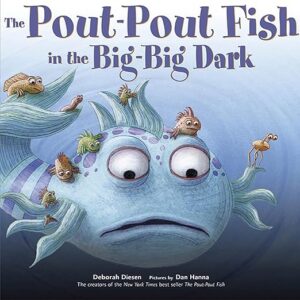
8. The Pout-Pout Fish — Deborah Diesen
With expressive illustrations and bouncy rhythm, this underwater story turns a gloomy fish into a joyful one. The repetition and fun sounds keep kids hooked longer than you’d expect.
Kids especially love the dramatic “blub-blub-blub” refrains—they’re interactive, silly, and perfectly timed to recapture drifting attention. The emotional arc is simple but sweet, making it easy for preschoolers to follow, even if they’re rolling around on the carpet.
Why kids love it: They adore the “blub-blub-blub” refrain.
Best for: Ages 3–6; great for practicing predictable phrases and engagement.
—
When you pair the right book with the right moment, reading becomes an experience—even for kids who can barely sit still.
These books spark laughter, movement, curiosity, and just enough calm to turn a scattered moment into a shared one.
They’re proof that short attention spans don’t have to stand in the way of big reading joy.
And if your family feels inspired, Scrively is a lovely spot to create your own tiny, silly, wiggly stories—perfect for preschool imaginations that never stop moving.